what skills radiology experts need?
Radiology is one of the most advanced and important areas of modern healthcare. From diagnosing broken bones to detecting life-threatening diseases, radiology experts play a major role in patient care.
As healthcare technology continues to grow, the demand for highly trained professionals is increasing around the world.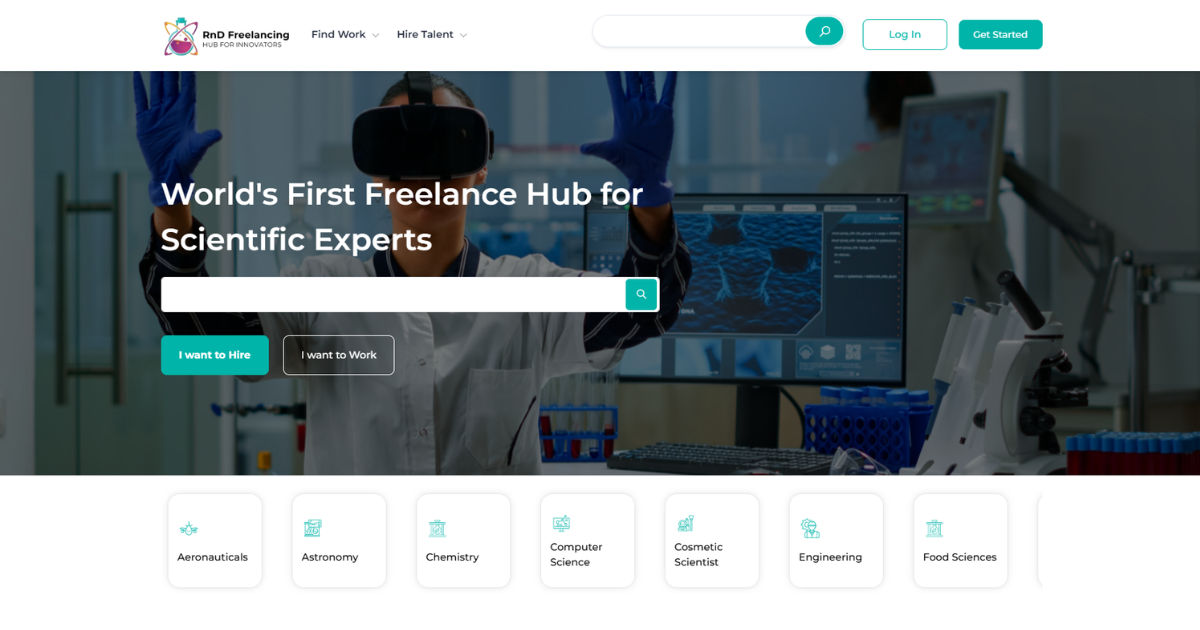
Today, many healthcare facilities, clinics, and digital healthcare companies also hire radiology experts freelance for remote reporting, image analysis, consultation, and telemedicine support.
This trend has opened new opportunities for professionals who want flexibility and higher income potential while working in the medical imaging industry.
However, becoming successful in radiology requires more than technical knowledge. Professionals in this field must combine medical expertise, communication abilities, analytical thinking, and technology skills.
Whether someone wants to work in a hospital or as radiology experts freelance, developing the right abilities is essential for career growth.
This guide explains the most important skills radiology experts need, why these skills matter, and how professionals can continue improving in this competitive medical field.
The Role of Radiology Experts
Radiology experts are healthcare professionals who specialize in medical imaging. They use technologies such as X-rays, CT scans, MRI scans, ultrasound, and nuclear imaging to help diagnose and monitor diseases.
Their work supports doctors in making accurate treatment decisions. In many cases, early diagnosis through imaging can save lives.
Radiology experts may include:
- Radiologists
- Radiologic technologists
- MRI specialists
- CT scan technicians
- Ultrasound technicians
- Interventional radiologists
The rise of telehealth has also increased opportunities for radiology experts freelance who provide remote diagnostic services to hospitals and clinics worldwide.
Strong Medical Knowledge
One of the most important skills in radiology is a deep understanding of human anatomy, physiology, and pathology.
Radiology experts must know:
- How body systems function
- How diseases appear in imaging
- Differences between normal and abnormal findings
- Medical terminology
- Clinical procedures
Without strong medical knowledge, imaging interpretation becomes difficult and dangerous.
For example, identifying a tumor in an MRI scan requires understanding tissue structures, disease progression, and imaging patterns. Even radiology experts freelance working remotely must maintain updated medical knowledge to provide accurate reports.
Continuous learning is necessary because medical science constantly evolves.
Technical Imaging Skills
Radiology professionals work with highly advanced imaging equipment. They must understand how to operate machines safely and correctly.
Key imaging technologies include:
X-Ray Imaging
X-rays are commonly used for fractures, chest examinations, and dental imaging. Experts must position patients correctly and minimize radiation exposure.
MRI Technology
MRI machines create detailed images using magnetic fields. Professionals need training in scan protocols, patient safety, and image optimization.
CT Scan Operation
CT imaging provides cross-sectional body images. Radiology experts must manage contrast materials, machine settings, and radiation doses.
Ultrasound Skills
Ultrasound technicians require hand-eye coordination and real-time image interpretation skills.
Nuclear Medicine
This specialized area uses radioactive substances for diagnosis and treatment monitoring.
Even radiology experts freelance who work remotely should understand how imaging studies are performed because image quality affects diagnostic accuracy.
Attention to Detail
Radiology demands exceptional attention to detail. A tiny abnormality in an image may indicate a serious disease.
Missing small findings can lead to:
- Incorrect diagnosis
- Delayed treatment
- Medical complications
- Legal issues
Radiology experts must carefully examine every image section before making conclusions.
Strong observation skills help professionals identify:
- Tumors
- Infections
- Internal bleeding
- Bone fractures
- Organ abnormalities
This skill becomes even more important for radiology experts freelance because remote reporting often requires reviewing hundreds of cases daily with high accuracy.
Communication Skills
Many people think radiology only involves machines and images, but communication is equally important.
Radiology experts interact with:
- Patients
- Doctors
- Nurses
- Surgeons
- Healthcare administrators
Good communication improves teamwork and patient care.
Communicating With Patients
Patients may feel nervous during imaging procedures. Radiology professionals should explain:
- What the procedure involves
- How long it will take
- Safety instructions
- What patients should expect
Clear communication helps reduce anxiety.
Communicating With Doctors
Radiology reports must be accurate, concise, and easy to understand. Poor reporting can affect treatment decisions.
Radiology experts freelance also rely heavily on communication because they often collaborate remotely with healthcare teams.
Analytical and Critical Thinking Skills
Radiology is not just about viewing images. Professionals must analyze information carefully and make logical decisions.
Critical thinking helps experts:
- Compare imaging results
- Recognize patterns
- Identify unusual findings
- Recommend additional tests
- Differentiate between similar conditions
For example, chest pain symptoms may appear similar in several conditions. Radiology experts must analyze scans carefully to support proper diagnosis.
Analytical thinking is especially valuable for radiology experts freelance who often work independently without direct supervision.
Computer and Digital Skills
Modern radiology depends heavily on digital systems and software.
Radiology professionals regularly use:
- PACS systems
- Electronic health records
- AI-assisted imaging tools
- Teleradiology platforms
- Reporting software
Understanding digital workflows improves efficiency and accuracy.
As remote healthcare expands, radiology experts freelance must feel comfortable using secure cloud systems and online communication platforms.
Technology skills are becoming more important every year because artificial intelligence and machine learning continue transforming medical imaging.
Time Management Skills
Radiology departments can become extremely busy. Professionals often handle multiple cases within tight deadlines.
Time management helps experts:
- Prioritize urgent cases
- Complete reports efficiently
- Avoid burnout
- Maintain quality standards
Emergency imaging situations require quick responses without sacrificing accuracy.
Radiology experts freelance also need excellent scheduling abilities because they may work with clients across different time zones and healthcare systems.
Problem-Solving Ability
Unexpected challenges happen regularly in radiology.
Professionals may encounter:
- Equipment malfunctions
- Unclear imaging results
- Patient movement during scans
- Emergency cases
- Technical software issues
Strong problem-solving skills help experts remain calm and make effective decisions.
For instance, if image quality is poor, the radiology professional must determine whether the issue involves patient positioning, machine settings, or technical errors.
Radiology experts freelance often work independently, making self-reliance and problem-solving even more important.
Knowledge of Radiation Safety
Radiation safety is a critical part of radiology practice.
Professionals must protect:
- Patients
- Themselves
- Coworkers
Important safety principles include:
- Minimizing radiation exposure
- Using shielding equipment
- Following safety guidelines
- Monitoring radiation doses
- Maintaining equipment properly
Ignoring safety procedures can lead to serious health risks.
Radiology experts freelance who provide consultations or training services must also stay updated on international radiation safety standards.
Emotional Intelligence and Empathy
Healthcare is not only technical. Patients often feel stressed, scared, or uncomfortable during medical procedures.
Radiology experts should demonstrate:
- Patience
- Kindness
- Empathy
- Professionalism
Emotional intelligence helps professionals understand patient concerns and respond appropriately.
For example, children or elderly patients may require extra support during imaging exams.
Radiology experts freelance who communicate remotely with healthcare teams also benefit from emotional intelligence because professional relationships affect long-term career opportunities.
Adaptability and Flexibility
Medical imaging technology changes rapidly. Professionals must adapt to:
- New imaging equipment
- Updated healthcare regulations
- AI integration
- Remote healthcare systems
- Advanced diagnostic methods
Adaptability allows radiology experts to stay competitive.
The growth of radiology experts freelance opportunities shows how flexible career models are changing the healthcare industry.
Professionals willing to learn new technologies often enjoy better job security and higher earning potential.
Teamwork and Collaboration
Radiology professionals work closely with healthcare teams.
Collaboration is important because patient care often involves multiple specialists.
Radiology experts cooperate with:
- Emergency physicians
- Surgeons
- Oncologists
- Cardiologists
- Nurses
Strong teamwork improves treatment outcomes and workplace efficiency.
Even radiology experts freelance need collaboration skills because remote healthcare depends on smooth communication between providers.
Ethical and Professional Conduct
Healthcare professionals must follow strict ethical standards.
Radiology experts handle sensitive medical information daily. They must maintain:
- Patient confidentiality
- Professional honesty
- Accurate reporting
- Ethical decision-making
- Respect for patient rights
Ethical mistakes can damage careers and patient trust.
Radiology experts freelance must also protect digital patient information when working remotely through online healthcare systems.
Physical Stamina and Endurance
Radiology work can be physically demanding.
Professionals may spend long hours:
- Standing
- Assisting patients
- Moving equipment
- Performing repeated tasks
Good physical health supports better performance and reduces fatigue.
Maintaining physical wellness is especially important for radiology experts freelance who may work extended remote shifts across multiple clients.
Research and Learning Skills
Medical imaging constantly evolves through research and innovation.
Radiology professionals should stay informed about:
- New imaging techniques
- AI developments
- Updated medical guidelines
- Research studies
- Emerging diseases
Lifelong learning helps professionals maintain expertise.
Many radiology experts freelance improve their careers by earning certifications and attending online training programs regularly.
Leadership Skills
Experienced radiology professionals may eventually supervise teams or manage imaging departments.
Leadership abilities include:
- Decision-making
- Conflict resolution
- Staff training
- Workflow management
- Mentoring junior employees
Leadership skills create advancement opportunities within hospitals and private healthcare organizations.
Radiology experts freelance who build consulting businesses also benefit greatly from leadership and management abilities.
Understanding Artificial Intelligence in Radiology
Artificial intelligence is transforming radiology quickly.
AI tools now assist with:
- Image analysis
- Pattern recognition
- Workflow automation
- Early disease detection
Radiology experts do not need to become software engineers, but they should understand how AI supports medical imaging.
Professionals who learn AI-based systems will likely have stronger career opportunities in the future.
Radiology experts freelance especially benefit from AI tools because automation can improve reporting speed and productivity.
Business and Freelancing Skills
The growing demand for remote healthcare services has increased opportunities for radiology experts freelance worldwide.
Freelance professionals need additional business skills such as:
Client Communication
Building trust with hospitals and clinics is essential.
Self-Marketing
Freelancers should create professional profiles and online portfolios.
Financial Management
Managing invoices, taxes, and contracts is important for independent work.
Networking
Strong professional networks help freelancers find long-term clients.
Personal Branding
Establishing a reputation for reliability and expertise attracts better opportunities.
Radiology experts freelance who combine medical excellence with business knowledge often achieve greater flexibility and financial success.
Certification and Licensing Knowledge
Radiology professionals must understand licensing and certification requirements.
Different countries and states may require:
- Professional exams
- Continuing education
- Clinical training
- License renewals
Keeping certifications updated demonstrates professionalism and competence.
Radiology experts freelance working internationally should understand regional healthcare regulations and reporting standards.
Cultural Awareness and Diversity Skills
Healthcare professionals interact with patients from many backgrounds.
Cultural awareness helps radiology experts:
- Respect patient differences
- Improve communication
- Avoid misunderstandings
- Build trust
Global healthcare systems increasingly value diversity and inclusion.
Radiology experts freelance who work with international clients benefit greatly from cultural sensitivity and global communication skills.
Stress Management Skills
Radiology can involve high-pressure situations, especially in emergency departments.
Professionals may face:
- Critical patient cases
- Heavy workloads
- Tight reporting deadlines
- Emotional stress
Healthy stress management techniques help maintain focus and prevent burnout.
Useful strategies include:
- Exercise
- Sleep management
- Work-life balance
- Time organization
- Mindfulness practices
Radiology experts freelance should pay special attention to work-life balance because remote work can blur personal and professional boundaries.
Teaching and Mentoring Skills
Experienced professionals often help train students and junior staff.
Teaching skills include:
- Explaining procedures clearly
- Demonstrating imaging techniques
- Providing constructive feedback
- Supporting professional development
Mentoring improves healthcare quality and strengthens the radiology profession overall.
Radiology experts freelance may also provide online education, training webinars, or consulting services.
Why Soft Skills Matter in Radiology
Technical abilities alone are not enough for long-term success.
Soft skills improve:
- Patient satisfaction
- Workplace relationships
- Communication quality
- Leadership potential
- Career advancement
Healthcare organizations increasingly value professionals who combine technical expertise with emotional intelligence and teamwork.
Radiology experts freelance especially rely on soft skills because independent work often depends on reputation and client relationships.
Future Trends in Radiology Careers
The radiology industry continues evolving rapidly.
Important future trends include:
Telemedicine Growth
Remote healthcare services are expanding worldwide.
AI Integration
Artificial intelligence will support faster diagnosis.
Personalized Medicine
Imaging will play a larger role in customized treatment planning.
Increased Freelance Opportunities
More healthcare facilities now hire radiology experts freelance for flexible imaging support.
Advanced Imaging Technologies
New imaging systems will improve diagnostic precision.
Professionals who continuously improve their skills will remain highly valuable in the healthcare industry.
How to Develop Radiology Skills
Building expertise requires continuous effort and practical experience.
Helpful strategies include:
Attend Training Programs
Professional workshops and certifications improve technical knowledge.
Practice Communication
Strong communication develops through patient interaction and teamwork.
Stay Updated
Reading medical journals and research articles helps professionals remain informed.
Learn Technology
Understanding digital imaging systems and AI tools increases career opportunities.
Seek Mentorship
Experienced professionals provide valuable guidance and career advice.
Build Experience
Hands-on clinical practice strengthens confidence and accuracy.
Radiology experts freelance should also focus on building online professional profiles and networking within healthcare communities.
Common Challenges Radiology Experts Face
Radiology professionals often encounter several challenges during their careers.
These may include:
- Rapid technology changes
- Long working hours
- High patient volumes
- Emotional stress
- Diagnostic pressure
- Regulatory requirements
Strong professional skills help experts overcome these difficulties successfully.
Radiology experts freelance may additionally face challenges such as inconsistent workloads, client competition, and remote communication issues.
Conclusion
Radiology is one of the most rewarding and technically advanced careers in healthcare. Professionals in this field play a critical role in diagnosing diseases, guiding treatments, and improving patient outcomes.
To succeed, radiology experts need a combination of medical knowledge, technical imaging abilities, communication skills, critical thinking, emotional intelligence, and adaptability. As healthcare technology continues evolving, professionals must commit to lifelong learning and continuous improvement.
The growing demand for telemedicine and digital healthcare has also created exciting opportunities for radiology experts freelance. These professionals can now work remotely, collaborate internationally, and enjoy greater career flexibility. However, freelance success requires additional business, communication, and self-management skills.
Whether working in hospitals, diagnostic centers, or independent consulting roles, radiology professionals who develop both technical and soft skills will remain highly valuable in the future healthcare industry. By staying informed, adaptable, and patient-focused, radiology experts can build successful and meaningful careers that positively impact countless lives.