Does bathroom remodeling Jacksonville FL need permits?
Planning a bathroom renovation involves more than choosing beautiful tiles, modern fixtures, and stylish cabinets. Homeowners must also understand local building regulations before starting construction. One common question is whether bathroom remodeling Jacksonville FL requires permits. The answer depends on the type of improvements you plan to make, the property's location, and whether the project involves plumbing, electrical, or structural changes. 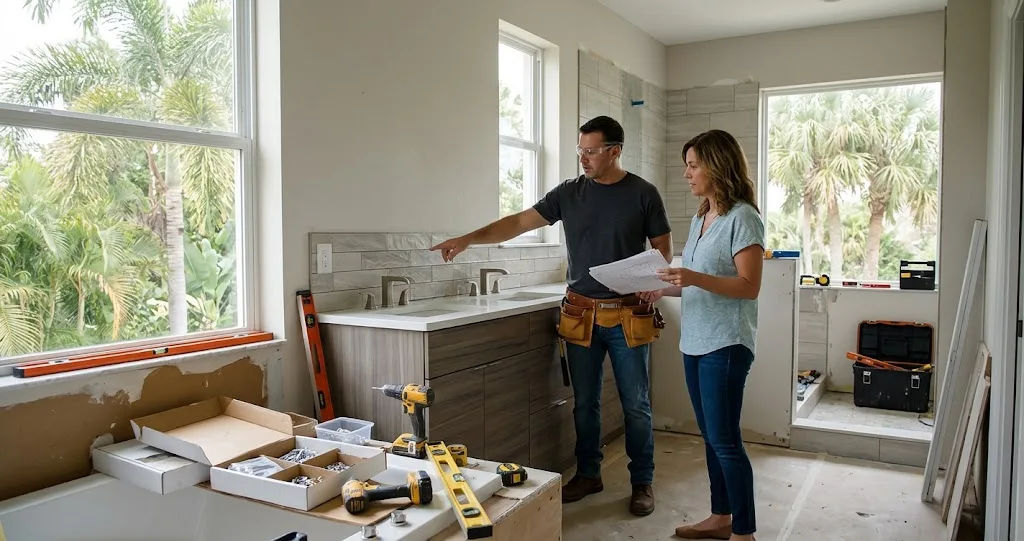 Some bathroom improvements are simple enough to complete without a building permit. However, more complicated renovations may require approval from the local building department. Understanding these requirements helps homeowners avoid unnecessary expenses, construction delays, and potential legal problems.
For anyone considering bathroom remodeling Jacksonville FL, knowing when permits are necessary is an important part of preparing for a successful renovation. Permits help ensure that construction follows applicable safety standards and that plumbing, electrical systems, and structural components are installed correctly.
This comprehensive guide explains Jacksonville's bathroom remodeling permit requirements, the types of projects that need approval, the application process, inspection requirements, and common mistakes homeowners should avoid.
Bathroom Remodeling Permits in Jacksonville
A building permit is official authorization from the local building department allowing specific construction or renovation work to take place. It confirms that the proposed project will be reviewed for compliance with applicable building codes and safety regulations.
In bathroom remodeling Jacksonville FL, the Building Inspection Division is responsible for enforcing the Florida Building Code and local building ordinances. The city currently identifies the Florida Building Code, Eighth Edition (2023), as its applicable building code.
Permits are generally required when a renovation involves changes to a building's structure or regulated plumbing, electrical, gas, or mechanical systems.
For example, replacing a bathroom vanity with another vanity in the same location may be relatively straightforward. However, relocating the sink, installing new plumbing lines, or modifying electrical wiring can introduce additional permitting requirements.
Homeowners should remember that the size of a renovation does not automatically determine whether a permit is necessary. The actual work being performed is more important.
Which Bathroom Remodeling Projects Require Permits?
Not every bathroom improvement requires the same level of approval. Some projects involve decorative updates, while others affect important systems inside the home.
Understanding these differences helps homeowners determine which permits they may need.
Plumbing Changes and Installations
Plumbing work is one of the most important areas to consider during a bathroom renovation.
Projects involving new water supply lines, relocated drains, replacement plumbing systems, or significant changes to existing pipes generally require plumbing permits.
For example, moving a shower to another side of the bathroom may require changes to water supply and drainage connections. Installing a new bathtub in a different location can also involve plumbing modifications that require approval.
Other plumbing-related projects that may require permits include:
-
Installing new plumbing connections.
-
Relocating bathroom sinks or toilets.
-
Changing shower drainage locations.
-
Replacing or modifying water supply pipes.
-
Installing new plumbing systems.
-
Making significant changes to existing drainage arrangements.
Jacksonville identifies certain limited plumbing repairs as permit-exempt. These include stopping plumbing leaks, clearing drain stoppages without replacing or rearranging pipes or fixtures, and replacing qualifying plumbing fixtures after the stop.
Because these exceptions are specific, homeowners should confirm whether their particular installation qualifies before beginning work.
Electrical Upgrades
Electrical improvements may also require permits during bathroom renovations.
Bathrooms contain electrical systems that must meet important safety requirements because water and electricity create additional risks.
Projects that involve installing new wiring, adding electrical circuits, relocating outlets, or changing electrical connections generally require the appropriate electrical permit.
Common examples include:
-
Installing new lighting circuits.
-
Adding electrical outlets.
-
Relocating switches.
-
Installing new wiring for bathroom equipment.
-
Upgrading electrical connections.
-
Installing electrical components that require new circuits.
For example, adding recessed lighting above a shower or installing an electrical connection for a new ventilation system may require professional electrical work and permitting.
A qualified electrician can help identify the required approvals and ensure the installation follows applicable electrical safety standards.
Structural Changes
Structural renovations generally require careful planning and building department approval.
Some homeowners decide to make their bathrooms larger by removing walls, changing door openings, or modifying existing layouts.
These improvements can affect the stability and safety of the home.
Structural work that may require permits includes:
-
Removing load-bearing walls.
-
Changing structural framing.
-
Modifying floor joists.
-
Creating new wall openings.
-
Changing the bathroom's structural layout.
-
Making significant alterations to the building.
Before removing a wall, homeowners should determine whether it supports the roof, ceiling, or another structural component.
A qualified contractor or structural engineer can evaluate the proposed changes and determine what documentation and approvals are necessary.
Shower and Bathtub Replacement
Replacing an existing bathtub or shower can be simple or complicated, depending on the installation.
A straightforward replacement that keeps the existing plumbing connections and does not involve regulated construction changes may have fewer permitting requirements.
However, replacing a bathtub with a walk-in shower may involve new drainage arrangements, plumbing modifications, waterproofing details, or structural work.
These changes can trigger additional permits and inspections.
Homeowners should not assume that every shower replacement is automatically exempt. The building department can clarify the requirements based on the actual scope of work.
Which Bathroom Improvements Usually Do Not Require Permits?
Many decorative improvements can be completed without obtaining a building permit, provided they do not involve regulated construction or system modifications.
Understanding these simpler projects can help homeowners plan their renovation more efficiently.
Painting and Decorative Updates
Painting bathroom walls, refreshing trim, and updating decorative finishes are generally considered cosmetic improvements.
These activities do not normally change the building's structure or regulated systems.
Homeowners can usually complete these improvements without applying for a building permit.
However, if painting is part of a larger renovation involving wall removal or other construction, the additional work may require approval.
Replacing Bathroom Accessories
Replacing towel bars, toilet paper holders, mirrors, and decorative hardware generally does not require building permits.
These improvements can make a bathroom look more modern without affecting plumbing or electrical systems.
Homeowners can also update cabinet handles, drawer pulls, and other decorative details without normally needing construction approval.
Installing New Flooring
Replacing bathroom flooring with new tile, vinyl, or another suitable material may not require a permit when the project is limited to surface improvements.
However, removing structural subfloor components, changing floor framing, or making substantial structural modifications can introduce permitting requirements.
Moisture protection should also receive attention. Bathrooms require appropriate waterproofing practices to prevent water from damaging surrounding materials.
Replacing Cabinets and Countertops
Installing new bathroom cabinets, vanity units, and countertops in existing locations is generally a cosmetic improvement when the work does not involve regulated plumbing or electrical changes.
For example, replacing an old vanity with a new model that uses the existing plumbing connections may be relatively simple.
However, relocating the sink or modifying water supply and drainage connections may require a plumbing permit.
How to Apply for Bathroom Remodeling Permits in Jacksonville
When a renovation requires permits, homeowners should understand the application process before scheduling construction.
Jacksonville provides an online permitting system called JaxEPICS, which allows applicants to submit permit applications and access relevant project information.
The following steps can help homeowners prepare.
Step 1: Identify the Scope of Work
Begin by creating a detailed description of the proposed bathroom renovation.
List every improvement you intend to make, including plumbing, electrical, structural, and mechanical changes.
For example, explain whether you plan to replace a bathtub, relocate a toilet, install new lighting, or modify an existing wall.
A clear project description helps the building department determine which permits and reviews may be necessary.
Step 2: Prepare the Required Documents
Depending on the renovation, applicants may need to provide project plans, construction drawings, specifications, and other supporting documents.
More complicated renovations may require detailed plumbing, electrical, or mechanical information.
Some projects may also require drawings prepared or reviewed by a qualified architect or engineer.
The necessary documents depend on the project's complexity and applicable regulations.
Step 3: Submit the Application
Jacksonville requires electronic permit submissions through its JaxEPICS system.
Applicants must create an account and submit the appropriate application with the required documents.
Homeowners should review the application carefully to ensure that the project description and supporting information are complete.
Step 4: Wait for the Required Review
After submission, the Building Inspection Division reviews the application and supporting documents.
The review process determines whether the proposed construction meets applicable building codes and local requirements.
Depending on the project, different disciplines may review the plans, including plumbing, electrical, mechanical, and building officials.
If additional information is required, applicants may receive comments requesting corrections or clarification.
Step 5: Obtain Approval Before Construction
Homeowners should wait until the required permits are issued before beginning regulated construction activities.
Starting work without the necessary authorization can create complications, including enforcement action, additional expenses, and difficulties when selling the property.
Once approval is received, keep the permit information accessible throughout the renovation.
What Inspections Are Required During Bathroom Remodeling?
Inspections are an important part of the permitting process.
They help confirm that construction follows approved plans and applicable safety standards.
The inspections required for a bathroom renovation depend on the work being performed.
Plumbing Inspections
Plumbing inspections may be required when contractors install or modify water supply lines, drainage systems, or other regulated plumbing components.
Inspectors may need to examine plumbing connections before walls or floors are closed.
This allows them to identify potential problems while pipes and connections remain accessible.
Electrical Inspections
Electrical inspections help confirm that wiring, outlets, lighting connections, and other electrical components comply with applicable requirements.
Inspectors may review electrical installations before they are covered by drywall or other finishing materials.
A final inspection may also be necessary after the installation is complete.
Framing and Structural Inspections
If a bathroom renovation involves structural modifications, framing inspections may be required.
These inspections help verify that the framing and supporting components are installed correctly.
The inspector may review wall framing, floor structures, and other modified building elements.
Final Inspection
A final inspection may be required after all permitted construction work has been completed.
The inspector checks whether the project complies with approved plans and applicable code requirements.
Homeowners should coordinate inspections with their contractors to avoid unnecessary delays.
Jacksonville provides inspection scheduling through its online permitting system. The Building Inspection Division can also be contacted at 904-255-8500.
Can Homeowners Apply for Their Own Permits?
Yes. Jacksonville allows qualifying homeowners to obtain permits for construction or renovations to their primary residences.
However, certain conditions apply.
According to the city's residential permitting guidance, the homeowner must have their name on the property deed, and the property must be intended for their own use and occupancy rather than sale or lease.
The homeowner must also appear in person at the Building Inspection Division to complete the applicable owner-permitting process.
Homeowners should understand that obtaining a permit does not mean they can personally perform every type of construction.
Plumbing, electrical, and heating and air conditioning work must be completed by appropriately certified trade professionals. These professionals may also need to obtain separate permits associated with the homeowner's main permit.
This distinction is important because bathroom renovations frequently involve specialized work that requires professional qualifications.
What Happens If You Remodel Without Required Permits?
Starting construction without obtaining necessary permits can create serious problems.
Some homeowners believe skipping the permit process saves money and time. However, unapproved construction can create greater expenses later.
Possible Fines and Enforcement Problems
If the local building department discovers work that required approval but was completed without a permit, the homeowner may face enforcement action.
Depending on the circumstances, the owner may need to apply for after-the-fact approval, arrange inspections, correct construction problems, or pay additional fees.
There is no guarantee that existing work will automatically receive approval.
Problems When Selling Your Property
Unpermitted renovations can complicate a future property sale.
Buyers may ask for permit records, inspection information, and documentation showing that major renovations were completed properly.
Missing permits can create concerns during inspections and negotiations.
In some situations, buyers may request repairs, additional documentation, or a price adjustment.
Insurance Complications
Unapproved construction may also create questions during an insurance claim.
If damage is connected to improperly installed plumbing, electrical systems, or other construction, the insurer may investigate whether the work complied with applicable requirements.
Coverage decisions depend on the policy and specific circumstances, so homeowners should not assume that unpermitted improvements will be covered.
Safety Concerns
The most important concern is personal safety.
Improper plumbing can cause leaks, moisture damage, and mold growth. Incorrect electrical installations can create shock and fire hazards.
Poor structural modifications may also weaken important building components.
Permits and inspections help reduce these risks by providing an additional layer of oversight.
How Much Do Bathroom Remodeling Permits Cost in Jacksonville?
Permit costs depend on the type, size, and value of the proposed renovation.
A project involving plumbing changes may require a plumbing permit, while electrical modifications may require a separate electrical permit.
Some renovations may also require building or mechanical permits.
The city determines applicable fees according to its current fee schedules and the details of the project.
Homeowners should avoid relying on a single estimated price because permit costs can vary significantly.
Before preparing a renovation budget, contact the Building Inspection Division or review the current fee information available through Jacksonville's official website.
Remember to include permit expenses in the overall renovation budget rather than treating them as an unexpected additional cost.
Why Hiring a Licensed Bathroom Remodeling Contractor Matters
Working with a qualified contractor can make the permitting process easier and help protect your investment.
Experienced professionals understand the importance of local building regulations and can identify which aspects of a renovation may require approval.
Knowledge of Local Building Requirements
A contractor familiar with Jacksonville construction requirements can help homeowners understand the necessary permits and inspections.
They can also coordinate with licensed electricians and plumbers when specialized work is required.
Better Project Planning
Permitting should be included in the renovation schedule from the beginning.
A professional contractor can organize the necessary documentation, coordinate inspections, and plan construction around approval requirements.
This reduces the possibility of unexpected delays.
Improved Workmanship
Bathrooms contain several interconnected systems, including plumbing, electrical wiring, ventilation, and waterproofing.
Professional installation helps ensure that these components function properly.
A contractor can also identify potential problems before they become expensive repairs.
Verify Contractor Credentials
Before hiring anyone, check their licensing and qualifications.
Jacksonville provides information about contractor verification through its Building Inspection Division. Homeowners can also verify applicable state licenses through the Florida Department of Business and Professional Regulation.
Ask for references, proof of insurance, a written contract, and a detailed description of the proposed work.
Special Considerations for Jacksonville Bathroom Renovations
Bathroom renovations in Jacksonville involve some local considerations that homeowners should not overlook.
Moisture and Humidity
Florida's humid climate makes moisture management especially important.
Bathrooms should have appropriate ventilation, properly installed waterproofing, and suitable materials.
Poor moisture control can damage drywall, flooring, cabinets, and other surrounding surfaces.
Ventilation Requirements
Bathroom ventilation helps remove moisture and improve indoor air quality.
Installing or relocating an exhaust fan may involve electrical or mechanical work that requires appropriate permits.
Homeowners should confirm the requirements before modifying ventilation systems.
Older Homes
Older Jacksonville homes may contain outdated plumbing, electrical wiring, or structural components.
During demolition, contractors may discover hidden problems that were not visible during the initial inspection.
If the renovation requires additional regulated work, further permits or revised approvals may be necessary.
Flood Zones and Property Restrictions
Some properties may have additional requirements because of their location in designated flood hazard areas.
Jacksonville's floodplain regulations can require additional permits or approvals for certain development activities.
Homeowners should check whether their property has special requirements before beginning significant construction.
Condominiums and Homeowners Associations
Homeowners living in condominiums or communities with homeowners associations may need additional approval.
Association rules can regulate construction schedules, contractor access, plumbing changes, noise, and modifications affecting shared building systems.
A city permit does not automatically replace approval required by a condominium association or homeowners association.
Common Permit Mistakes Homeowners Should Avoid
Even well-planned renovations can experience problems when homeowners misunderstand permitting requirements.
Avoid these common mistakes:
Assuming cosmetic and structural work are the same: Painting and replacing decorative accessories are different from modifying walls, plumbing, or electrical systems.
Starting work before approval: Regulated construction should not begin until the required permits have been issued.
Hiring unqualified workers: Specialized plumbing and electrical work must be performed by appropriately qualified professionals.
Ignoring inspections: Required inspections should be scheduled at the correct construction stages.
Providing incomplete applications: Missing project details can result in review comments and unnecessary delays.
Forgetting additional approvals: Floodplain requirements, condominium rules, and other applicable restrictions may affect the project.
Assuming every property follows identical rules: Confirm the jurisdiction and property-specific requirements before making renovation decisions.
Conclusion
Understanding permit requirements is an essential part of planning a successful bathroom renovation. While simple cosmetic improvements may not require building permits, projects involving plumbing changes, electrical upgrades, structural modifications, and certain mechanical installations generally require appropriate approval.
For homeowners planning bathroom remodeling Jacksonville FL, the most important step is identifying the exact scope of work before construction begins. This makes it easier to determine which permits are necessary, prepare the correct documents, and schedule required inspections.
Jacksonville's Building Inspection Division provides guidance about local permitting requirements and offers an online application system through JaxEPICS. Homeowners should use these official resources to verify their project's requirements instead of relying on assumptions or general advice.
Hiring a licensed and experienced contractor can also make the renovation process more manageable. A knowledgeable professional can help coordinate permits, arrange qualified trade workers, and ensure that construction follows applicable building standards.
Although permits may add time and expenses to a renovation, they provide important protection for homeowners. They help reduce safety risks, support proper construction, and create useful documentation for future property transactions.
Ultimately, a well-planned renovation should focus on more than appearance. By understanding local regulations, obtaining necessary approvals, and arranging appropriate inspections, homeowners can create a comfortable, attractive, and functional bathroom while protecting their property's long-term value.
