Does scan barcode free support all barcode types?
Barcode technology has become a normal part of everyday life. From shopping products and managing inventory to checking prices and accessing digital information, barcodes are everywhere.
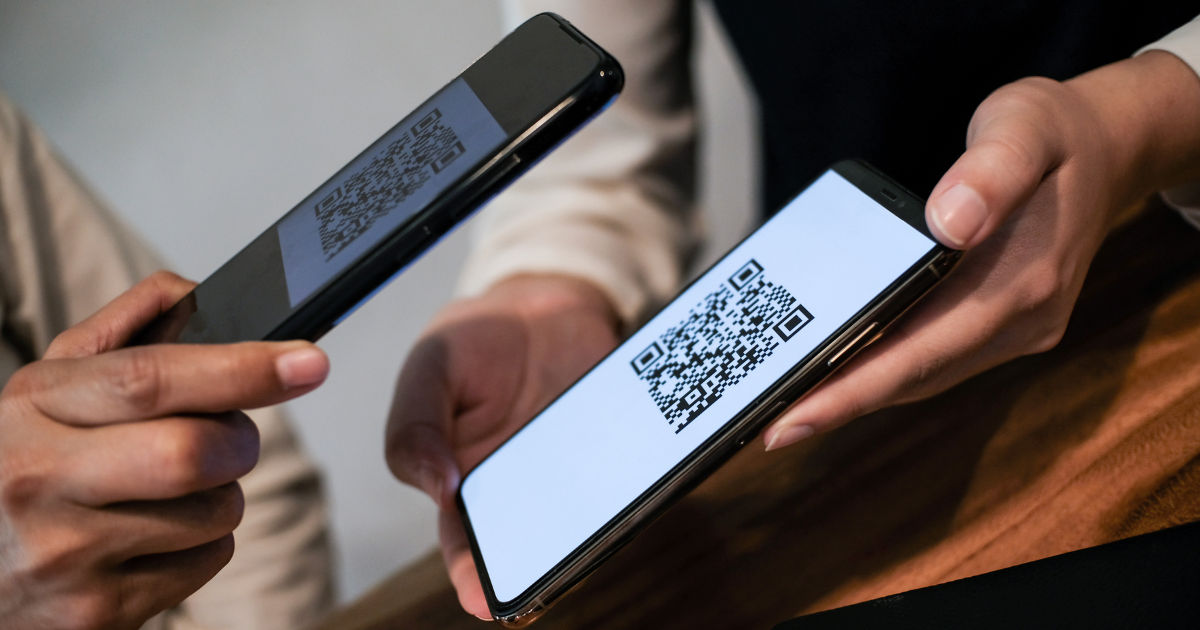
Many people use tools like scan barcode free solutions because they provide a quick way to read barcode information without paying for expensive software. However, a common question remains: does a free barcode scanner support every barcode type available today?
The answer depends on the scanner technology, the barcode formats it recognizes, and the purpose for which it is being used. Some free barcode scanning tools support a wide range of popular barcode formats, while others may only handle basic types. Understanding barcode categories and scanner limitations can help users choose the right solution.
How Barcode Scanners Work
A barcode scanner works by capturing the visual pattern of a barcode and converting it into readable information. The scanner uses a camera or scanning sensor to identify the arrangement of lines, squares, or patterns. After processing the image, the software matches the pattern with a supported barcode format.
Modern scanners are more advanced than traditional laser scanners. Smartphone-based scanners can recognize many two-dimensional codes and standard product barcodes using artificial intelligence and image-processing technology.
When someone uses a scan barcode free tool, the application usually analyzes the barcode image and compares it with its built-in database of supported formats. If the barcode type is recognized, the information can be displayed instantly.
Different Types of Barcodes Explained
Barcodes are not all created the same way. Different industries use different barcode systems depending on their needs. Some are designed for storing small amounts of information, while others can hold large amounts of data.
One-Dimensional Barcodes
One-dimensional barcodes, also called linear barcodes, are the traditional barcodes most people see on product packaging. They store information using a series of vertical lines with different widths and spaces.
Common examples include:
UPC Barcodes
UPC (Universal Product Code) is one of the most common barcode types used in retail stores. Products sold in many countries use UPC codes for identification, pricing, and inventory management.
Most barcode scanners support UPC because it is widely used and relatively simple to read.
EAN Barcodes
EAN barcodes are commonly used internationally for retail products. They are similar to UPC codes but are designed for global product identification.
A reliable scan barcode free application often includes EAN support because these codes appear on millions of consumer products worldwide.
Code 39
Code 39 is commonly used in manufacturing, government systems, and industrial environments. It can store letters, numbers, and some special characters.
Because it is widely used in business applications, many advanced barcode scanners recognize this format.
Code 128
Code 128 is a high-density barcode format that can store more information than many traditional linear barcodes. It is frequently used in shipping, logistics, and supply chain management.
Many professional barcode systems rely on Code 128 because it provides accurate tracking capabilities.
Two-Dimensional Barcode Types
Two-dimensional barcodes can store much more information than traditional linear barcodes. Instead of using only vertical lines, they use patterns of squares or dots.
QR Codes
QR codes are among the most recognizable two-dimensional barcodes. They are used for website links, payments, tickets, authentication, and marketing campaigns.
Most modern barcode scanning apps support QR codes because they are common and easy to process with smartphone cameras.
Data Matrix Codes
Data Matrix codes are often used in healthcare, electronics, and manufacturing. They can store detailed product information in a small physical space.
These codes are useful when items are too small for traditional barcodes.
PDF417 Codes
PDF417 barcodes can store large amounts of information and are commonly found on identification cards, transportation documents, and official records.
Not every basic scanner supports PDF417, so users may need a more advanced scanning solution.
Does Scan Barcode Free Support Every Barcode Type?
The short answer is no. While many free barcode scanning tools support popular formats, no single scanner can guarantee compatibility with every barcode type.
A scan barcode free solution may support common formats such as QR codes, UPC, EAN, Code 39, and Code 128. However, specialized barcode formats used in industries like healthcare, aviation, or manufacturing may require professional software.
The level of support depends on several factors:
-
The scanning application’s built-in recognition system
-
Camera quality and image clarity
-
Barcode complexity
-
Software updates
-
Intended usage environment
A free scanner designed for everyday users may work perfectly for shopping and personal use but may not meet the requirements of a large company managing thousands of products.
Factors That Affect Barcode Recognition
Even when a scanner supports a barcode format, several conditions can affect whether the barcode is successfully read.
Barcode Quality
Damaged, faded, or poorly printed barcodes can be difficult to scan. Scratches, missing sections, or low contrast may prevent accurate recognition.
High-quality barcode printing improves scanning success.
Lighting Conditions
Lighting plays an important role in barcode scanning. Extremely dark areas, strong reflections, or shadows can make it harder for the camera to capture the barcode correctly.
Using a scanner in good lighting conditions usually improves performance.
Camera Resolution
Smartphone cameras have improved significantly, but older devices may struggle with small or detailed barcodes.
A higher-quality camera allows the scanner to capture clearer images and recognize more complex codes.
Barcode Size and Distance
A barcode that is too small or scanned from too far away may not contain enough detail for recognition.
Keeping the camera steady and maintaining the correct distance can improve results.
Benefits of Using Free Barcode Scanning Tools
Many users choose free barcode scanners because they offer convenience without additional costs.
Quick Access to Information
A free scanner allows users to quickly check product details, website links, prices, or stored information.
Easy Installation
Most free barcode scanners are simple to install and use. They usually require only a smartphone camera and a compatible application.
Useful for Personal Tasks
For household organization, product research, and basic inventory tracking, free tools are often enough.
No Expensive Equipment Needed
Businesses and individuals can test barcode scanning without investing in dedicated hardware.
Limitations of Free Barcode Scanners
Although free scanners are useful, they have certain limitations.
Limited Advanced Features
Professional barcode systems may include inventory management, database connections, analytics, and employee tracking features. Free tools usually do not provide these options.
Fewer Supported Formats
Some advanced barcode types may not work with basic scanners. Businesses using specialized codes should check compatibility before depending on a free solution.
Security Concerns
Users should be careful when scanning unknown barcodes. Some QR codes may direct users to unsafe websites or harmful content.
Using trusted scanning tools and avoiding suspicious links can reduce risks.
How to Choose the Right Barcode Scanner
Choosing the right scanner depends on individual needs.
For casual users, a simple scan barcode free tool that supports QR, UPC, and EAN formats may be enough.
For businesses, the decision should consider:
-
Required barcode formats
-
Number of scans per day
-
Integration with existing systems
-
Data storage requirements
-
Security needs
Companies handling large inventories should consider professional barcode solutions that provide better reliability and reporting features.
Common Barcode Scanning Problems and Solutions
Even supported barcodes may sometimes fail to scan. Several simple solutions can help.
Clean the Barcode Surface
Dust, fingerprints, or damage can interfere with scanning. Cleaning the barcode area may solve the problem.
Adjust the Camera Position
Moving closer or farther away can help the scanner capture the complete barcode.
Update the Application
Developers regularly improve barcode recognition technology. Keeping the application updated may add support for more formats.
Try Another Scanner
If one scanner cannot recognize a barcode, another application may support that format.
The Future of Barcode Scanning Technology
Barcode technology continues to improve. Modern scanners are becoming faster, more accurate, and better at recognizing different formats.
Artificial intelligence and machine learning are helping scanners identify damaged or unusual barcodes more effectively.
Future scanning systems may provide better automation, improved security checks, and deeper integration with business software.
As barcode usage expands across industries, compatibility will remain an important factor when selecting a scanner.
Conclusion
Barcode scanners have made it easier to access information quickly and efficiently. While many free barcode scanning tools support common barcode formats like QR codes, UPC, EAN, Code 39, and Code 128, they do not always support every barcode type available.
A scan barcode free option can be an excellent choice for personal use, shopping, and simple information retrieval. However, users working with specialized industries or complex inventory systems may require more advanced solutions.
Before choosing a scanner, it is important to understand which barcode formats are needed and whether the tool can handle those requirements. Checking compatibility, maintaining good scanning conditions, and using updated software can improve the overall experience.
Free barcode scanners provide valuable convenience, but their capabilities depend on the technology behind them. For everyday needs, they are often more than enough. For professional applications, choosing a specialized scanner may provide better accuracy, security, and long-term reliability.