How dresses for women daily wear should fit and move?
When discussing modern style and comfort, understanding how dresses for women should fit and move is essential for everyday confidence and ease. The way dresses for women sit on the body affects posture, comfort, and even mood throughout the day.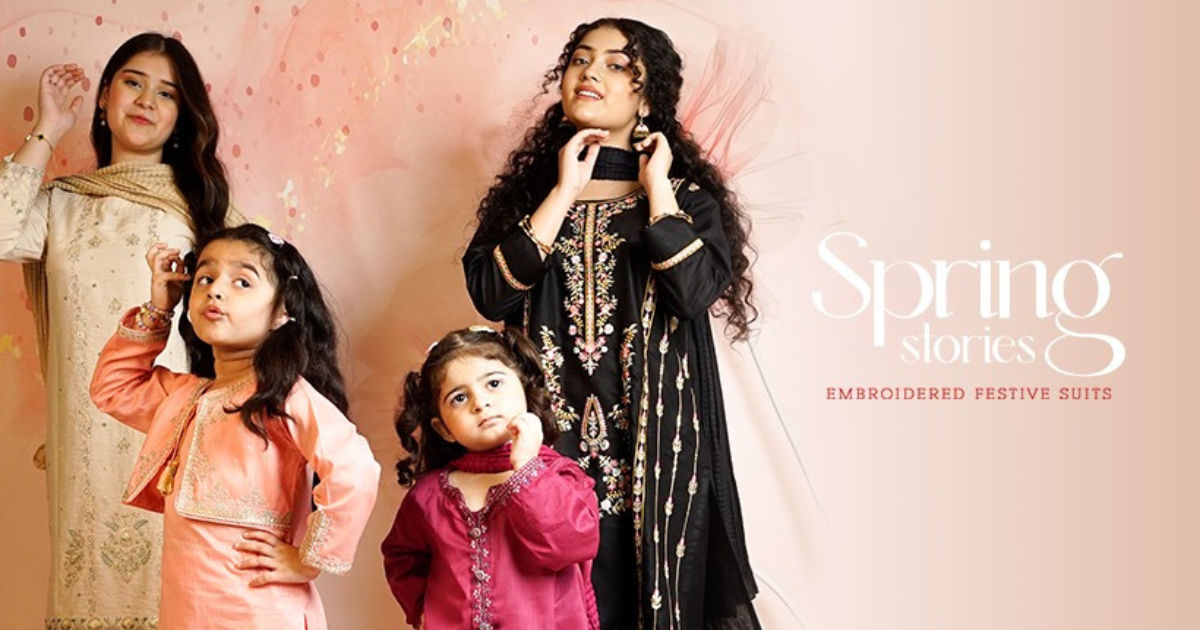
Many people choose dresses for women based on appearance alone, but proper fit and movement are what make them truly wearable in daily life.
Good dresses for women are not just about size labels; they are about balance between structure and flexibility. When dresses for women are designed or selected thoughtfully, they allow natural movement while maintaining shape. In everyday routines like walking, sitting, or commuting, dresses for women must respond to body motion without restriction or discomfort.
This guide explores in detail how dresses for women should fit, flow, and adapt to daily activities. It explains fabric behavior, sizing awareness, comfort principles, and styling logic so that dresses for women feel as good as they look.
By the end, you will understand how to choose dresses for women that truly support your lifestyle.
The Importance of Proper Fit in Daily Wear
Fit is the foundation of comfort when it comes to dresses for women. A well-fitted dress enhances natural body shape without feeling tight or restrictive. Poorly fitted dresses for women can cause discomfort in shoulders, waist, or hips, making even simple movement tiring.
When dresses for women fit properly at the shoulders, the entire garment aligns better with the body. This prevents pulling or sliding. Waist placement is equally important because dresses for women that sit too high or too low can distort posture and cause discomfort over time.
Movement is another key factor. Everyday dresses for women should allow walking, bending, and sitting without resistance. If a dress restricts movement, it reduces practicality no matter how stylish it appears. This is why comfort-driven design is central in modern dresses for women.
A good fit also builds confidence. When dresses for women feel secure on the body, wearers naturally carry themselves better. This psychological comfort is often overlooked but extremely important in daily wear choices.
How Fabric Influences Movement and Comfort
Fabric plays a major role in how dresses for women behave throughout the day. Lightweight fabrics like cotton, jersey, and linen allow air circulation, making dresses for women feel breathable and flexible.
Heavier fabrics, while structured, can sometimes limit movement if not tailored properly. That is why many everyday dresses for women use blended fabrics that combine softness with stretch. These blends help dresses for women adapt to body movement without losing shape.
Drape is another important factor. Flowing fabrics allow dresses for women to move gracefully with the body. When walking, well-draped dresses for women create natural motion rather than stiffness.
Stretchability also matters. Slight elasticity ensures that dresses for women adjust during sitting, walking, or stretching. Without this, fabric tension can cause discomfort during daily routines.
Choosing the right fabric ensures that dresses for women remain practical and stylish throughout long hours of wear.
Movement and Body Responsiveness in Design
Movement is a defining feature of well-designed dresses for women. A dress should respond naturally to how the body moves during the day. Whether reaching, bending, or walking, dresses for women should never feel restrictive.
Design elements like cut and seam placement influence mobility. Properly structured dresses for women allow arms and legs to move freely without fabric pulling against joints. Side slits or pleats often help improve flexibility in dresses for women.
Another key aspect is flow. When dresses for women move with the body instead of against it, daily activities feel easier and more natural. This fluid motion is especially important for people with active lifestyles.
Even sitting comfort matters. Many poorly designed dresses for women ride up or tighten when seated. Good design ensures that dresses for women maintain shape and comfort even after hours of sitting.
Ultimately, movement-friendly design makes dresses for women suitable for real-life daily wear rather than just visual appeal.
Seasonal Adaptation and Daily Comfort
Seasonal changes greatly affect how dresses for women should fit and move. In warmer months, breathable and loose-fitting dresses for women help regulate body temperature. Light fabrics prevent overheating and allow air circulation.
During cooler seasons, layered or structured dresses for women provide warmth while still allowing movement. However, even winter dresses for women should not feel bulky or restrictive.
Seasonal fit also impacts comfort. In summer, slightly relaxed dresses for women allow better airflow. In winter, tailored dresses for women can be layered without feeling tight.
Movement remains important across seasons. Whether light or heavy, dresses for women should always support natural motion. Seasonal styling should enhance comfort, not reduce it.
Choosing season-appropriate dresses for women ensures consistent ease throughout the year.
Daily Wear Versatility and Practical Design
Everyday life demands flexibility, and this is where dresses for women must perform well. Daily wear requires garments that transition smoothly between activities such as work, errands, and social settings.
Versatile dresses for women are usually simple in design but strong in comfort structure. They allow easy movement while maintaining a neat appearance. This makes dresses for women suitable for long hours without discomfort.
Pocket placement, hem length, and sleeve design all influence practicality. Well-designed dresses for women integrate these elements without compromising style.
Another important aspect is adaptability. Good dresses for women can be styled differently with minimal effort, making them suitable for various occasions.
When dresses for women are practical, they reduce the need for frequent outfit changes, making daily life more efficient.
Common Fit Problems and How They Affect Movement
Many people experience fit issues with dresses for women without realizing how much it impacts comfort. Tight shoulders are a common problem that restrict arm movement in dresses for women.
Similarly, narrow waist fits can make breathing or sitting uncomfortable in dresses for women. On the other hand, overly loose fits can cause constant adjustment, which reduces ease of movement.
Length is also important. Too-short dresses for women may restrict sitting comfort, while too-long designs may cause tripping or dragging.
Another issue is fabric tension. When dresses for women are too tight in certain areas, fabric strain limits natural motion and creates discomfort.
Understanding these issues helps in selecting better-fitting dresses for women that support everyday movement.
Choosing the Right Size for Real Comfort
Size selection is critical when buying dresses for women. Many people choose based on numbers rather than actual body fit, which often leads to discomfort.
Properly sized dresses for women should allow slight breathing room without appearing oversized. This balance ensures ease of movement while maintaining shape.
Body measurements matter more than labels. When dresses for women match actual proportions, they move better with the body.
Trying different fits is also helpful. Sometimes dresses for women labeled the same size may fit differently depending on design and fabric.
Ultimately, comfort should guide size selection for dresses for women, not just appearance.
Tailoring vs Ready-to-Wear Options
Tailoring can significantly improve how dresses for women fit and move. Custom adjustments ensure that dresses for women align perfectly with body shape and movement patterns.
Ready-to-wear options, however, offer convenience. Many modern dresses for women in stores are designed with flexible fits to suit a wide range of body types.
Tailored dresses for women often provide better movement control because they are adjusted for specific proportions. This reduces strain during daily activities.
Ready-to-wear dresses for women can still be highly comfortable if chosen carefully. Stretch fabrics and relaxed cuts improve usability.
Both options can work well, but understanding personal comfort needs helps in selecting the right dresses for women.
The Psychology of Comfort and Confidence
Comfort is not only physical but also psychological. Well-fitting dresses for women create a sense of ease and confidence that affects overall mood.
When dresses for women move naturally with the body, wearers feel less self-conscious. This improves focus during daily tasks.
Confidence increases when dresses for women do not require constant adjustment. Stability in fit allows mental freedom.
Colors, textures, and fit all influence emotional comfort in dresses for women. When these elements align, they enhance self-expression.
This psychological aspect shows that dresses for women are not just clothing but part of daily emotional experience.
Long-Term Care and Fit Maintenance
Maintaining shape and fit is essential for long-lasting dresses for women. Washing methods can affect fabric flexibility and movement.
Proper care ensures that dresses for women retain their original fit over time. Overwashing or harsh cleaning can reduce elasticity.
Storage also matters. Hanging or folding dresses for women properly prevents distortion in shape.
Regular maintenance helps preserve movement-friendly design in dresses for women.
When cared for correctly, dresses for women continue to provide comfort and flexibility for longer periods.
Conclusion
Understanding how dresses for women should fit and move is key to achieving daily comfort and style balance. From fabric selection to sizing, every detail affects how dresses for women perform in real life.
Good dresses for women support natural movement, allowing walking, sitting, and bending without restriction. They combine structure with flexibility, making daily routines easier and more comfortable.
Fit is not just about appearance; it is about how dresses for women interact with the body throughout the day. Proper design ensures that dresses for women enhance both physical comfort and emotional confidence.
Whether tailored or ready-to-wear, well-chosen dresses for women improve lifestyle quality by offering ease and versatility. Seasonal adaptability, fabric choice, and thoughtful construction all contribute to better performance of dresses for women.
In the end, the best dresses for women are those that feel invisible in the best way—supporting movement without effort and blending seamlessly into everyday life.