what type of diet do pilgrims follow?
When people travel for pilgrimage, especially to sacred destinations like Makkah, one of the most important but often overlooked aspects of the journey is food.
Pilgrims come from all over the world with different cultural backgrounds, health conditions, and dietary habits. Because of this diversity, understanding what type of diet pilgrims follow is essential for maintaining energy, health, and spiritual focus during their journey.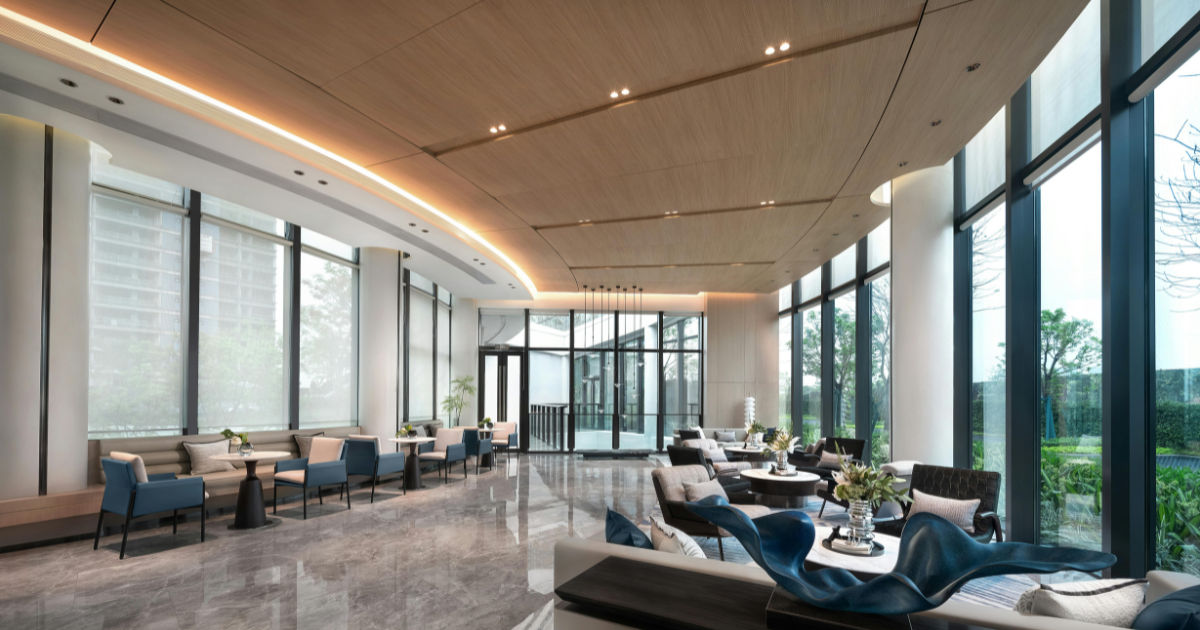
Many pilgrims rely heavily on a Hotel in makkah, as it becomes their main source of daily meals, comfort, and nutrition planning throughout their stay. A Hotel in makkah often adapts its menu to meet international dietary needs, ensuring pilgrims stay nourished.
In fact, a Hotel in makkah plays a central role in shaping the eating patterns of visitors. For many travelers, a Hotel in makkah is not just accommodation but also their primary food hub.
The importance of a Hotel in makkah becomes even more visible during peak pilgrimage seasons when millions gather in one place.
This blog provides a comprehensive guide on the types of diets pilgrims follow, what influences their food choices, and how nutrition is managed during physically demanding religious travel. We will also explore practical eating habits, cultural food variations, and health considerations in detail.
Pilgrim Diets: A General Overview
Pilgrim diets are not uniform. They vary depending on nationality, health status, religious practices, and availability of food. However, there are some common patterns.
Most pilgrims follow a simple, energy-sustaining diet that avoids heavy, greasy, or overly spicy foods. This helps them stay active throughout long walking hours, prayers, and rituals. A Hotel in makkah often designs buffet-style meals that include rice, bread, vegetables, chicken, and light soups to support this need. A Hotel in makkah typically avoids overly complex dishes during peak pilgrimage days to ensure digestion remains easy. Another reason a Hotel in makkah keeps meals simple is to cater to large crowds efficiently.
Hydration is also a key focus. Pilgrims drink more water, juices, and electrolyte drinks compared to their usual routine. A Hotel in makkah often provides unlimited water stations or bottled water to prevent dehydration.
Nutritional Needs During Pilgrimage
High Energy Requirement
Pilgrimage involves a lot of walking, standing, and physical exertion. Because of this, pilgrims require:
- Complex carbohydrates for sustained energy
- Moderate protein for muscle support
- Low fat meals for easy digestion
- High fluid intake
A Hotel in makkah usually ensures that breakfast includes items like oats, bread, eggs, and fruits to provide energy for the day. A Hotel in makkah may also serve energy-rich but light dishes like rice and grilled chicken. Many pilgrims depend on a Hotel in makkah for consistent nutrition schedules.
Balanced Macronutrients
A typical pilgrim diet focuses on balance:
- Carbohydrates: rice, bread, pasta
- Protein: chicken, fish, lentils
- Fats: minimal oil, often plant-based
- Fiber: vegetables and fruits
A Hotel in makkah adjusts buffet menus to ensure all macronutrients are available. This balance is important because a Hotel in makkah must serve guests from many countries with different dietary expectations.
Hydration and Electrolytes
Due to hot climate conditions, hydration is critical. Pilgrims often experience fatigue if they do not drink enough water.
A Hotel in makkah typically provides:
- Bottled water in rooms
- Juice options at meals
- Salty snacks in moderation for electrolyte balance
A Hotel in makkah also reminds guests to drink regularly, especially before going out for rituals.
Cultural Diversity in Pilgrim Food Choices
Pilgrims come from Asia, Africa, Europe, and the Middle East. Each group brings its own food habits.
South Asian Pilgrims
They often prefer:
- Rice-based meals
- Lentils (dal)
- Spiced but not overly heavy curries
A Hotel in makkah often includes South Asian dishes like biryani or daal chawal in buffet sections. A Hotel in makkah may even have separate counters for South Asian cuisine due to high demand.
Middle Eastern Pilgrims
Their diet usually includes:
- Flatbread
- Grilled meats
- Hummus and salads
A Hotel in makkah commonly provides Arabic-style buffets with grilled chicken, lamb, and rice dishes. A Hotel in makkah ensures these foods are fresh and lightly seasoned.
African Pilgrims
They often consume:
- Starchy foods like fufu or ugali
- Spiced stews
- Beans and legumes
A Hotel in makkah may adapt international dishes to resemble these flavors. A Hotel in makkah tries to accommodate familiarity in taste to help pilgrims feel comfortable.
Western Pilgrims
Their preferences include:
- Bread and cereals
- Salads and sandwiches
- Grilled meats and vegetables
A Hotel in makkah usually includes continental breakfast options such as toast, eggs, and fruits. A Hotel in makkah ensures dietary diversity is maintained.
Religious Influence on Diet
Pilgrims follow Islamic dietary laws strictly. This includes:
- Halal food only
- No alcohol
- No pork products
A Hotel in makkah is fully compliant with halal standards. Every Hotel in makkah serving pilgrims ensures strict food certification and preparation rules. This is one of the main reasons travelers trust a Hotel in makkah for safe dining.
Fasting may also be part of the spiritual experience for some pilgrims, which influences meal timing. A Hotel in makkah often provides early breakfast or late-night meals during peak religious periods.
Typical Daily Diet Plan of a Pilgrim
Breakfast
Breakfast is usually light but nutritious:
- Eggs or omelets
- Bread or rice porridge
- Fruits like bananas and apples
- Tea or coffee
A Hotel in makkah ensures breakfast is available early since pilgrims start their day before sunrise. A Hotel in makkah also keeps breakfast flexible due to varying prayer schedules.
Lunch
Lunch is the main meal:
- Rice or pasta
- Chicken or fish
- Vegetables
- Salad
A Hotel in makkah usually serves buffet lunch with multiple options. A Hotel in makkah ensures portion sizes are balanced to prevent overeating.
Dinner
Dinner is lighter:
- Soup
- Light meat dishes
- Bread or rice
- Yogurt or fruits
A Hotel in makkah encourages lighter dinners to help digestion. A Hotel in makkah also considers that pilgrims may return late from rituals.
Health Considerations in Pilgrim Diets
Digestive Health
Pilgrims often experience digestive issues due to sudden changes in diet. Therefore:
- Spicy food is limited
- Fried food is minimized
- Fiber intake is increased
A Hotel in makkah typically avoids overly oily dishes to prevent discomfort. A Hotel in makkah also provides boiled and steamed food options.
Managing Chronic Diseases
Many pilgrims have diabetes, hypertension, or heart conditions. Their diet must be carefully managed.
A Hotel in makkah often labels food items for sugar, salt, and fat content. A Hotel in makkah may also provide diabetic-friendly meals on request.
Food Safety
Food safety is extremely important in crowded environments.
A Hotel in makkah follows strict hygiene protocols. A Hotel in makkah ensures:
- Clean kitchens
- Safe water supply
- Proper food storage
- Regular inspections
This reduces the risk of foodborne illness significantly.
Challenges in Maintaining Diet During Pilgrimage
Crowds and Limited Time
Pilgrims often eat quickly due to crowded schedules. A Hotel in makkah addresses this by offering fast buffet services. A Hotel in makkah also provides takeaway meal options.
Climate Conditions
Hot temperatures affect appetite. Pilgrims may prefer lighter foods. A Hotel in makkah adjusts menus accordingly. A Hotel in makkah includes cooling foods like fruits and yogurt.
Cultural Adjustment
Eating unfamiliar foods can be difficult. A Hotel in makkah solves this by offering international cuisine. A Hotel in makkah ensures comfort through familiar flavors.
Role of Hotels in Pilgrim Nutrition
The role of accommodation in diet cannot be ignored. A Hotel in makkah is not just a place to sleep; it is a full-service nutrition provider.
A Hotel in makkah:
- Plans balanced menus
- Offers international cuisine
- Ensures hygiene
- Provides flexible meal timings
For many pilgrims, a Hotel in makkah becomes their only consistent food source. A Hotel in makkah also helps manage dietary restrictions effectively.
Practical Tips for Pilgrims
- Eat light meals before long rituals
- Drink water frequently
- Avoid unfamiliar spicy foods
- Choose balanced buffet plates
- Rest after meals when possible
A Hotel in makkah usually supports these habits by offering guidance. A Hotel in makkah staff often advises guests on suitable meal choices.
Psychological Aspect of Eating During Pilgrimage
Food also affects emotional well-being. Familiar meals can provide comfort in a foreign environment.
A Hotel in makkah often includes home-style dishes to reduce stress. A Hotel in makkah helps pilgrims feel more at ease through food familiarity.
Eating together in groups also strengthens social bonds. A Hotel in makkah dining hall becomes a place of cultural exchange and shared experience.
Sustainability and Food Waste Management
Due to large crowds, food waste can be a challenge.
A Hotel in makkah implements:
- Controlled buffet portions
- Efficient food planning
- Donation systems where possible
A Hotel in makkah aims to minimize waste while still serving enough food for all pilgrims.
Conclusion
The diet of pilgrims is shaped by physical needs, cultural diversity, religious requirements, and environmental conditions. It is generally simple, balanced, and designed to maintain energy and health during demanding spiritual activities. Hydration, digestion-friendly meals, and culturally familiar foods play a major role in ensuring comfort and well-being.
A Hotel in makkah is central to this experience, providing structured meals, international cuisine, and safe food practices. A Hotel in makkah supports pilgrims by offering balanced nutrition and adapting to diverse dietary needs. A Hotel in makkah ensures that pilgrims can focus on their spiritual journey without worrying about food. Ultimately, a Hotel in makkah becomes an essential part of pilgrimage life, shaping how pilgrims eat, rest, and recover each day.