Where Does Large Vertical Artwork Fit Best?
Choosing the right artwork for a room is not only about selecting a beautiful image; it is also about understanding how the piece interacts with the available space. Vertical artwork has become a popular choice for homeowners, designers, and businesses because it creates height, balance, and visual movement.
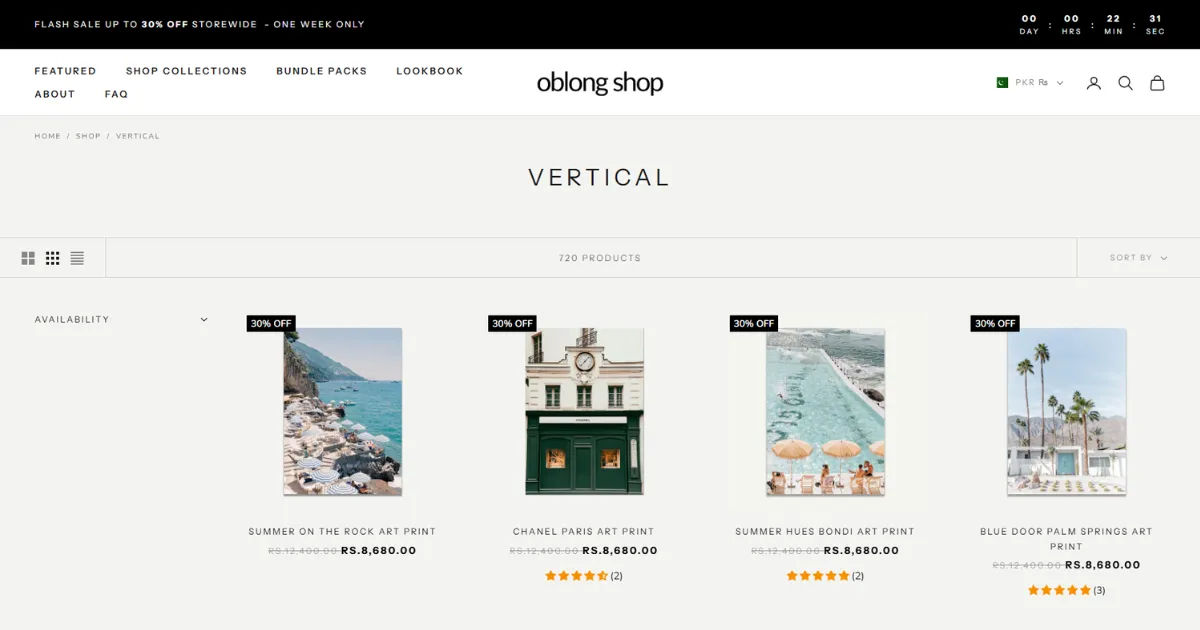
Unlike wide horizontal pieces, vertical designs naturally draw attention upward, making walls appear taller and spaces feel more refined.The best placement for vertical artwork depends on the size of the wall, ceiling height, furniture arrangement, lighting, and the overall style of the room. When positioned correctly, large vertical pieces can transform empty areas into impressive focal points.
Whether used in a living room, bedroom, hallway, office, or commercial environment, the right artwork placement can completely change the atmosphere of a space.Understanding where large vertical artwork fits best helps you create a balanced interior where every element works together. This guide explores the ideal locations, design considerations, and practical tips for using tall artwork effectively.
The Impact of Large Vertical Artwork
Large vertical artwork creates a strong visual effect because it uses height as its main design feature. It guides the viewer’s eyes from the bottom of the composition toward the top, creating a sense of elegance and openness.
Rooms with high ceilings often benefit from tall artwork because it fills vertical wall space that might otherwise feel empty. Instead of leaving large blank areas above furniture, a carefully selected piece can bring warmth, personality, and character to the room.
Even smaller rooms can benefit from vertical designs. A tall artwork piece can make walls appear longer and ceilings seem higher, creating an illusion of additional space.
The key is selecting the correct size and location. A large piece should complement the room rather than overpower other design elements.
Best Places to Display Large Vertical Artwork
Living Room Feature Walls
The living room is one of the most popular places for large vertical artwork. Since this space is usually where families gather and guests spend time, a statement artwork piece can become the central attraction.
A tall artwork piece works especially well above a sofa, fireplace, or console table. It creates a strong visual anchor and helps organize the surrounding furniture.
When placing artwork above a sofa, the size should match the furniture below it. A piece that is too small may look disconnected, while artwork that is too large can make the seating area feel crowded.
Vertical designs are particularly effective in living rooms with:
- High ceilings
- Minimalist furniture
- Neutral color schemes
- Large empty walls
- Modern architectural features
A carefully chosen artwork can add color, texture, and emotion while enhancing the overall room design.
Bedrooms for a Calm and Elegant Atmosphere
Bedrooms are another excellent location for tall artwork because vertical compositions create a peaceful and sophisticated feeling.
Large artwork placed above the bed can act as a replacement for traditional headboards. It adds personality without requiring extra furniture or decorative elements.
Soft landscapes, abstract designs, botanical patterns, and calming color palettes work well in sleeping areas. The artwork should support relaxation rather than create excessive visual stimulation.
Vertical artwork also works beautifully on narrow bedroom walls where horizontal pieces may not fit properly.
Entryways and Hallways
Entryways often have unused wall space that can be difficult to decorate. Large vertical artwork can immediately improve these transitional areas by creating a welcoming first impression.
A tall piece near an entrance gives visitors a sense of style and personality before they enter the main living areas.
Hallways are also ideal locations because their narrow structure naturally supports vertical designs. Instead of using multiple small decorations, one large artwork piece can create a cleaner and more modern appearance.
For long hallways, consider placing artwork at eye level and using proper lighting to highlight the details.
Using Vertical Artwork in Small Spaces
Many people assume large artwork only works in large rooms, but this is not always true. The right vertical piece can actually make a small room feel more spacious.
Tall artwork takes advantage of unused wall height rather than floor space. This makes it useful for apartments, compact offices, and narrow rooms.
Some effective locations include:
- Small dining areas
- Apartment living rooms
- Bathroom walls
- Narrow corners
- Compact home offices
A slim vertical design can add style without making the room feel crowded.
The important factor is maintaining balance. Choose artwork that complements the room dimensions instead of dominating the entire space.
Large Vertical Artwork for Dining Areas
Dining rooms often benefit from artwork that adds sophistication and visual interest. A vertical piece placed near the dining table can create an elegant atmosphere for everyday meals and special occasions.
Artwork can be positioned:
- On the main wall behind the dining table
- Beside a cabinet or storage unit
- Near a dining corner
- Between architectural features
The artwork should connect with the dining room’s color scheme. For example, warm tones can create a cozy environment, while modern abstract designs can support a contemporary style.
Offices and Professional Spaces
Large vertical artwork is also highly effective in workplaces. Offices often contain plain walls, and artwork helps create a more inspiring and professional environment.
Reception areas, conference rooms, and private offices can all benefit from carefully selected pieces.
In professional settings, artwork should reflect the company’s personality. Clean, modern designs often work well in corporate environments, while creative businesses may prefer bold and expressive pieces.
Vertical pieces are especially useful in office spaces because they create impact without requiring large wall widths.
Commercial Spaces and Hospitality Areas
Hotels, restaurants, salons, and retail spaces often use artwork to improve customer experience. Large vertical artwork can create memorable visual moments and strengthen the overall atmosphere.
In hospitality environments, artwork helps communicate:
- Brand identity
- Luxury
- Creativity
- Comfort
- Professionalism
Tall artwork can be placed in hotel lobbies, restaurant entrances, waiting areas, and guest rooms.
Because commercial spaces usually have larger walls and higher ceilings, vertical pieces can make the environment feel more impressive.
How to Choose the Right Wall for Vertical Artwork
Selecting the correct wall is just as important as selecting the artwork itself.
Consider Wall Size
A large empty wall usually needs a larger piece to maintain proportion. Small artwork on a large wall can appear lost.
For narrow walls, vertical designs are often the best solution because they match the available shape.
Look at Furniture Placement
Artwork should connect visually with nearby furniture. It should feel like part of the room rather than an isolated decoration.
For example:
- Artwork above a sofa should relate to the seating arrangement.
- Artwork above a bed should match the bedroom style.
- Artwork near a table should complement the furniture design.
Pay Attention to Lighting
Lighting can dramatically improve how artwork looks. Natural light, spotlights, and wall lighting can highlight textures and colors.
Avoid placing artwork where direct sunlight may damage the materials over time.
Matching Vertical Artwork With Interior Styles
Different interior styles require different artwork choices.
Modern Interiors
Modern spaces often look best with abstract designs, geometric patterns, and minimal compositions.
Simple artwork with clean lines can enhance contemporary furniture and open layouts.
Traditional Interiors
Classic homes may benefit from portraits, landscapes, or detailed artistic pieces.
Rich colors and elegant frames can create a timeless appearance.
Scandinavian and Minimalist Spaces
Minimalist interiors work well with simple designs, neutral tones, and natural themes.
The artwork should add interest while maintaining the clean feeling of the room.
Luxury Interiors
Luxury spaces often use large statement pieces with strong visual impact.
High-quality materials, detailed textures, and sophisticated colors can enhance upscale environments.
Common Mistakes When Placing Vertical Artwork
Even beautiful artwork can look incorrect if it is placed poorly.
One common mistake is hanging artwork too high. The center of the piece should generally be close to eye level for comfortable viewing.
Another mistake is choosing artwork that does not match the wall size. Proportion is essential for creating harmony.
Avoid overcrowding the wall with too many decorative items. A large vertical piece often works best when it has enough surrounding space to stand out.
Tips for Creating a Balanced Display
To achieve the best results:
- Measure the wall before purchasing artwork.
- Consider the room’s existing colors.
- Match artwork size with nearby furniture.
- Use proper lighting.
- Maintain enough empty space around the piece.
- Choose artwork that reflects your personality and style.
Good placement allows the artwork to enhance the room instead of competing with other elements.
Conclusion
Large vertical artwork can fit beautifully in many different environments when selected and positioned correctly. From living rooms and bedrooms to offices, hallways, and commercial spaces, tall artwork provides a powerful way to improve interior design.
The success of a display depends on understanding space, proportion, lighting, and style. When used thoughtfully, vertical artwork can make ceilings appear higher, create attractive focal points, and bring personality to empty walls.
Whether your goal is to create a relaxing bedroom, an impressive entrance, or a professional workspace, choosing the right location makes all the difference. Large vertical pieces are more than simple decorations; they are design elements that influence how people experience a room.
By considering wall dimensions, furniture placement, and overall style, you can find the perfect place where your artwork feels natural, balanced, and visually impressive.